Note, 2 min read
France doubled its Russian LNG in September, five months after Europe's short-term ban
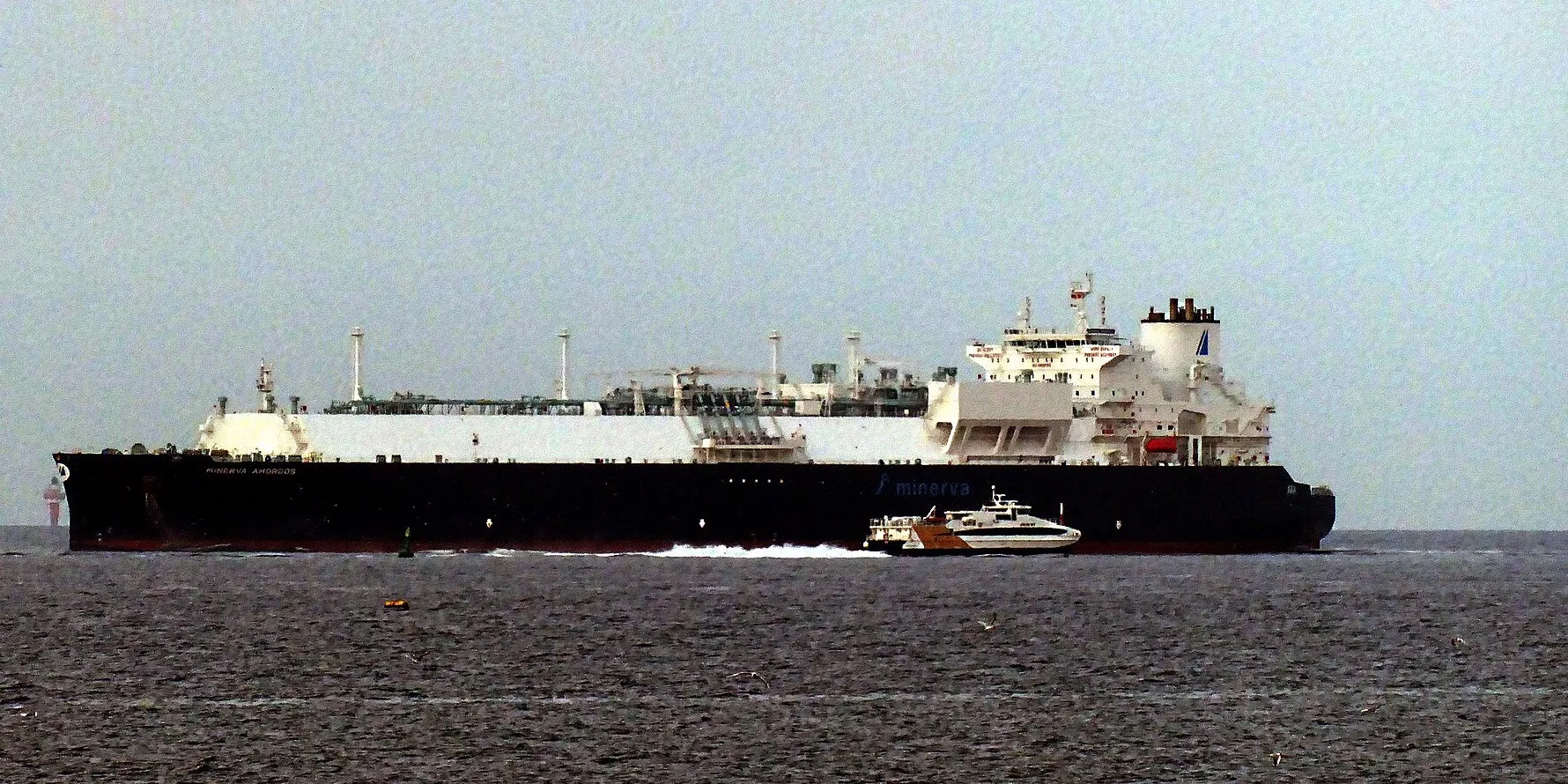
All eight cargoes came from Yamal, under contracts the EU ban does not reach until 1 January. Russia's LNG earnings hit their highest since January 2023, and China paid about twice what the EU did.
EU ban on Russian LNG Short-term contracts from 25 Apr 2026; long-term from 1 Jan 2027 . EU regulation, via CMS The European Union’s ban on Russian LNG bought under short-term contracts took effect on 25 April 2026. In September, French ports unloaded eight Russian cargoes, “all of which were loaded at the Yamal LNG installation”, according to the Centre for Research on Energy and Clean Air (CREA). French import volumes from Russia rose 103% on August. France took 72% of the EU’s Russian LNG that month. The rest went to the Netherlands, two cargoes at Rotterdam’s Gate terminal, and to Portugal. Spain received none, the first month without a Russian cargo since the full-scale invasion.
None of this breaks the ban. The regulation stopped short-term contracts in April. LNG bought under long-term contracts concluded before 17 June 2025 can keep arriving until 1 January 2027.
The rebound is real but small. EU imports of Russian LNG rose 60% from what CREA calls “August’s record low”, and September was still the fourth-lowest month since the invasion began. CREA puts the EU’s September bill for Russian LNG at EUR 615 million.
Russian LNG export revenue, September EUR 75m a day, +68% m/m, highest since Jan 2023 . CREA Russia earned more anyway. Its LNG export revenue from unloaded cargoes rose 68% in September to EUR 75 million a day, the highest since January 2023, on volumes up 48%. “The Hormuz energy crisis has delivered a substantial boost to Russia’s fossil fuel export earnings,” CREA writes. China bought EUR 1.2 billion of Russian LNG in September, about twice the EU’s bill. Loadings at Arctic LNG 2, a project under sanctions, more than doubled. CREA does not say where those cargoes went.
Valtor’s inference Our reading, which is an inference: on CREA’s figures, Russia took 68% more money for 48% more LNG, so its revenue per unit rose about 13.5% in a month (Valtor’s arithmetic). That points to price, not volume, and this autumn’s price shock started in the Gulf. Europe’s ban shrinks what Russia sells to Europe. It does not stop the Hormuz shock from paying Moscow on what it sells elsewhere. The last legal channel into the EU, long-term Yamal cargoes landing mostly in France, closes on 1 January, in the middle of a winter that began with storage at its lowest for the season since 2009. Our speculation: holders of those contracts will want to take as many cargoes as they can before the deadline.
What to watch
- Russian LNG unloaded at French terminals in October. CREA’s next monthly report will show it. A further rise before 1 January would mean buyers are front-loading.
- Any request from a member state, or move by the Commission, to delay the 1 January deadline for LNG as winter demand rises.
- Where Arctic LNG 2’s cargoes land. Its loadings more than doubled in September. The buyers will show whether the sanctions on the project still bind.
Europe now buys less Russian LNG than in almost any month since the invasion. Russia earns more from LNG than at any point since January 2023.
Figures in this piece
Those the text states in the same form also stand in the margin beside it.
- EUR 75m a day, +68% m/m, highest since Jan 2023Russian LNG export revenue, September. CREA
- 8, all from Yamal LNG; 72% of EU's Russian LNGRussian LNG cargoes unloaded in France, September. CREA
- EU EUR 615m; China EUR 1.2bnRussian LNG bought, September. CREA
- Short-term contracts from 25 Apr 2026; long-term from 1 Jan 2027EU ban on Russian LNG. EU regulation, via CMS
Sources
Filed under Russia–Ukraine war.
A number here looks wrong? Send a correction. How corrections are handled.
Get it by email
New analysis and notes, at most once a week. The address is used for nothing else, and one reply takes you off the list. Privacy notice.